


Why do cricket pitches crack? Reasons explained
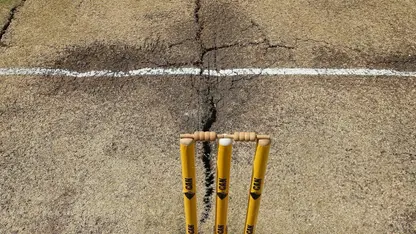

Pitch Cracks (Source: X/@HardCricketpix)

Published - 18 Jul 2026, 06:44 AM• Read time - 2 mins
Cricket is a sport where conditions play a major role in the outcome of a match. Unlike most other sports, which remain unaffected by outside conditions and the nature of the surface it’s played on, a cricket pitch can behave differently at different times of the day and have a major say in the result of the match.
There are many kinds of cricket pitches, which offer assistance to certain types of bowlers at different stages in a day. During Test matches, which are played for multiple days on the same surface, the pitch gradually dries out. Since the laws of cricket prohibit watering the surface during play, cracks begin to appear, and the pitch often becomes dusty.
How do pitches crack?
Cricket pitches crack because the clay-rich soil used in their preparation shrinks over the course of the match as it loses moisture. While shrinking is a natural process, it is influenced by how the pitch is prepared, the weather conditions, and the amount of play on the surface.
Sunlight, high temperatures and wind gradually draw moisture out of the pitch, which further contributes to the appearance of cracks. The drier the conditions, the faster the surface shrinks and develops cracks.
Bowlers' run-ups, batters' footwork and repeated impacts from the ball all play a part in wearing down the surface. These stresses widen existing cracks and create rough patches.
How do cracks affect the match?
As the cracks begin opening up, bowlers come into play as they get good assistance from the surface. Fast bowlers can extract uneven seam movement if the ball lands on the edge of a crack. On the other hand, spinners benefit because cracks and rough patches help the ball grip the surface and turn sharply.
All of it makes life difficult for the batters, who have to deal with the uneven bounce, making strokeplay more difficult.
Do all pitches crack?
However, not all cricket pitches crack, and it depends solely on the soil composition, weather, preparation method and the duration of the match.