


Why is batting easier on flat pitches?
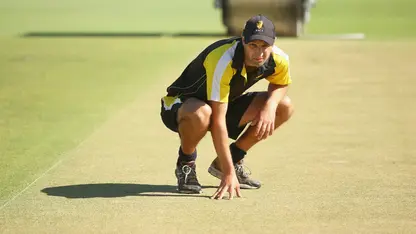

Matt Page inspecting the pitch at the WACA (Source: Getty Images)

Published - 21 Jul 2026, 10:41 PM• Read time - 2 mins
Flat pitches are the most detested elements among bowlers in cricket. The sight of a flat pitch is enough to put a bowler off, as it makes the entire contest between bat and ball lopsided.
A flat pitch is prepared by watering it thoroughly and rolling it for days with a combination of light and heavy rollers. The pitch curator ensures that the surface is not left exposed to sunlight for too long, as this may cause it to dry out.
Moisture in the surface is required to prevent the development of cracks and further breakdown. Curators also keep a slight grass cover while preparing it, as a decent amount of grass helps hold the surface together.
However, the ground staff remove the grass cover a day before the start of the fixture. This is because the green grass and moisture lubricate the pitch’s contact with the ball, resulting in less friction. The ball loses less pace after pitching and hurries the batter into shot‑making.
A flat pitch, devoid of grass cover, causes the ball to lose pace and bounce, giving the batter enough time to play shots of their choice. The lack of grass cover also means no lateral movement after pitching, making it difficult for pacers. Since a flat pitch has no cracks, it doesn't give the spinners anything to work with.
With both types of bowlers, spinners and pacers, neutralised, batters can play freely, which is why flat pitches often lead to run‑fests like no other.
However, flat pitches are not considered a good advertisement for the sport. They take the bowlers out of the equation completely, forcing them to almost wave the white flag and surrender to the batters. Flat pitches are mostly dished out in T20 cricket, giving a license to the batters to hit sixes at will. It is exactly why it is rare to witness a low-scoring T20 match as a spectator in today's day and age.