


ICC issues new post-pregnancy return-to-play guidelines for female cricketers
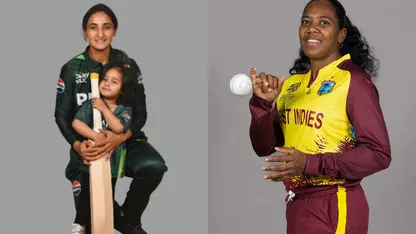

Bismah Maroof, Afy Fletcher (Source: Instagram/@afy.mantha, @bismahmaroof)

Published - 22 Jun 2026, 04:48 PM• Read time - 2 mins
The International Cricket Council (ICC) has introduced its Return-to-Play Post-Pregnancy Guidelines for female cricketers, providing a structured framework to help players safely and confidently return to the game after pregnancy.
The initiative comes as women's cricket continues to grow professionally, with expanding career opportunities encouraging more players to balance elite sport with starting a family. The new guidelines aim to make that transition smoother by offering practical support for athletes returning after childbirth.

The guidelines form part of the ICC's broader commitment to player health, wellbeing and the continued development of women's cricket, with the welfare of female cricketers remaining one of its six strategic priorities.
Designed as a resource for ICC Member nations, the framework will help boards create their own pregnancy and return-to-play policies in accordance with local laws and regulations, while prioritising both the physical and psychological well-being of players.
At the heart of the document is the "6 Rs" framework - Ready, Review, Restore, Recondition, Return and Refine - which outlines a phased approach to returning to elite cricket. The model covers every stage of the process, from early post-birth recovery and medical assessments to progressive training, cricket-specific conditioning, competitive return and ongoing monitoring once players are back in the team environment.
The drafting of the guidelines was led by Dr. Philippa Inge, a member of the ICC Medical Advisory Committee and Australia Team Doctor. The recommendations also highlight practical measures to support returning mothers, including flexible training schedules, continued access to cricket facilities and medical services, childcare guidance, dedicated spaces for feeding or caring for babies at venues, and travel assistance wherever possible.
Afy Fletcher welcomes new guidelines
West Indies' leg-spinner Afy Fletcher, who returned to international cricket after giving birth to her son in 2021 and is now competing at the ICC Women's T20 World Cup 2026, welcomed the new guidelines, saying they would encourage more players to resume their careers after pregnancy.
“I think it's really good that the ICC is giving cricket boards policies to look after women after pregnancy. It gives you a chance to have your family and then return, so I think that’s one of the best things they could have done for women’s cricket," said Fletcher in a media release.
With the introduction of these guidelines, the ICC aims to create a more supportive and inclusive environment that enables female cricketers to continue their careers while embracing motherhood.
