


IPL 2027: 3 Rules that need to be changed before next season
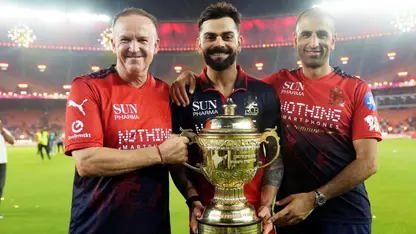

Andy Flower, Virat Kohli and Mo Bobat (Source: BCCI/IPL)

Published - 12 Jun 2026, 09:32 PM• Read time - 2 mins
The IPL 2026 came to a dramatic conclusion with Royal Challengers Bengaluru (RCB) clinching their second title. The season was packed with thrilling contests and high‑octane entertainment, yet the overwhelming dominance of batters left many feeling that the game's balance had tilted too far in one direction.
The numbers tell the story. A staggering 1,426 sixes were hit during the season, the most ever in a single edition of the IPL. This figure represented a 10.2 per cent increase from the previous record of 1,294 sixes in 2025.

Boundaries flowed freely as well, with 2,332 fours struck, surpassing the earlier record of 2,245 in IPL 2025. While fans enjoyed the fireworks, the lack of contest between bat and ball risks diminishing the league's long‑term appeal.
To ensure the IPL remains compelling and balanced, here are three rules that should be reconsidered before the start of IPL 2027:
1. Impact Player rule needs to be dropped
The Impact Player rule has emboldened batters to throw caution to the wind, knowing that teams can always substitute in specialists to cover for a collapse. This has made life extremely difficult for bowlers, who are struggling to adapt to the relentless aggression.
Moreover, the rule has devalued allrounders, as teams increasingly prefer to rely on specialists. Removing the rule would restore the importance of versatile players and give bowlers a fairer chance to influence matches.
2. Number of powerplay overs needs to be reduced
Currently, the six‑over powerplay provides batting sides with an enormous advantage, often setting the tone for one‑sided contests. Reducing the powerplay to four overs would give bowlers and fielding sides more breathing space and create a more even playing field.
3. One bowler should be allowed to bowl five overs
The pitches in the IPL have consistently favoured batters, and this trend is unlikely to change in the near future. To counterbalance this, bowlers should be given greater liberty. Allowing one bowler to deliver a maximum of five overs would provide captains with the flexibility to rely on their best option for an extra over. This could be the difference between a bowling unit collapsing under pressure or mounting a strong fightback.
These proposed changes, combined with more sporting wickets, would help restore equilibrium between bat and ball. They would not only retain the loyalty of existing fans but also rekindle the interest of those who have drifted away due to the batter‑heavy nature of recent seasons.
The IPL thrives on drama, unpredictability, and balance, and these reforms could ensure that the league continues to captivate audiences worldwide.
