


Why was the Third Umpire introduced in cricket?
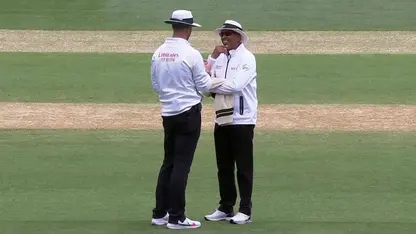

Cricket Umpires (Source: X/@cricketcomau)

Published - 03 Aug 2026, 04:33 AM• Read time - 2 mins
Ever since the inception of cricket, the responsibility of adjudicating decisions on the field has been handed to umpires. However, with time, the human limitations began to affect the decision-making process as the pressure to be 100% right fell on umpires’ shoulders.
Hence, there was a need for technology to intervene and take the burden off them, especially in the cases of run outs and stumpings. It was also extremely difficult for the human eye to judge the legitimacy of catches from far away.
How was the third umpire invented?
To counter this problem, Dr Ali Bacher, the former Managing Director of the United Cricket Board of South Africa and Mike Demaine, the senior cricket producer at the South African Broadcasting Television sports department, came up with the concept of using a third umpire in cricket.
The idea was born during a meeting between Ali Bacher and Mike Demaine at the United Cricket Board of South Africa (UCBSA) offices in Johannesburg in 1991. The technology was first introduced in South African domestic cricket later that year after receiving approval from the ICC.
Following its successful implementation, the ICC authorised the UCBSA and the South African Broadcasting Corporation (SABC) to use television replays for decision-making during international matches played in South Africa from 1992 onwards.
When was third umpire used for first time?
The system made its debut in Test cricket during the first match of the South Africa vs India series at Kingsmead, Durban, in November 1992. Karl Liebenberg served as the first-ever third umpire in international cricket, while Cyril Mitchley stood as the on-field umpire during the game. Mitchley referred a run-out decision upstairs, making it the first-ever use of television replays by a third umpire in Test cricket.
Who was the first batter given out by third umpire?
On the second day of the match, legendary India batter Sachin Tendulkar became the first player in history to be dismissed through a third-umpire decision when he was run out for 11.
Since then, the technology has been regularly used in international matches to help the on-field umpires in the decision-making process. For all three formats of the game, namely Tests, ODIs and T20Is, the third umpire is selected from either the ICC Elite Panel of Umpires or the ICC International Panel of Umpires.
Ever since the advent of the DRS, the third umpire also reviews the decision already given on the field and helps ascertain its legitimacy through the use of various technologies.