


PCB’s ban policy: Protecting integrity or hurting PSL?
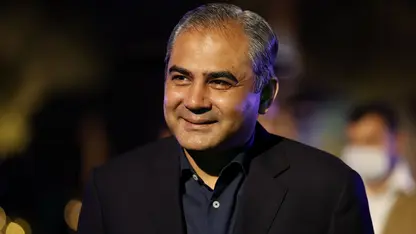

Mohsin Naqvi (Source: Getty Images)

Published - 15 Apr 2026, 04:22 PM• Read time - 2 mins
The Pakistan Cricket Board (PCB) has once again chosen punitive action over pragmatism, handing a two‑year ban to Zimbabwe fast bowler Blessing Muzarabani for walking away from his PSL 2026 contract with Islamabad United to join Kolkata Knight Riders (KKR) in the IPL.
Muzarabani had agreed to terms worth PKR 11 million (around USD 40,000) as a replacement for West Indies pacer Shamar Joseph, but the final contract was never signed. When KKR offered him nearly USD 160,000 to replace Mustafizur Rahman, the financial disparity proved irresistible.
PCB’s press release framed the ban as a defence of contractual integrity, stressing that “professional cricket operates on the bedrock of trust.” Yet the reality is stark: players will gravitate toward leagues that pay more, especially when the PSL is scheduled in direct conflict with the IPL.
This is not unprecedented. In 2025, Corbin Bosch was banned for a year after ditching Peshawar Zalmi for Mumbai Indians. Despite his public apology, the PCB imposed sanctions that did little beyond alienating players.
For cricketers from financially weaker boards like Zimbabwe, IPL contracts are transformative. Muzarabani’s choice reflects the same harsh economics that once saw Harbhajan Singh donate proper kits to Zimbabwe players during the 2010 T20 World Cup, shocked by the substandard gear they were forced to use.
In the modern cricketing world, with T20 leagues mushrooming worldwide, players are the real winners. They now have a wealth of options up their sleeve, from IPL to Big Bash, CPL, ILT20, SA20, and beyond.
Therefore, while the PCB insists that its sanctions “serve as a necessary measure to safeguard the professional environment of the PSL,” such actions risk doing the opposite. They can sow seeds of exasperation in the minds of players, strike at their sense of honour, and ultimately limit the league’s growth.
By banning players, PCB risks alienating talent. If KKR decide against retaining Muzarabani for the next year and he doesn't end up with an IPL contract, the PCB could have roped him in for the 2027 PSL. However, with the two-year ban in place, the chances of it happening have evaporated.
The real issue lies in scheduling. For the second year running, the PSL has clashed with the IPL window, forcing players into impossible choices. Unless PCB acknowledges that it cannot compete financially with the IPL and adjusts its calendar, more players will continue to walk away.
In trying to protect the PSL’s integrity, PCB may be undermining it instead, a classic case of hurting its own league to prove a point.